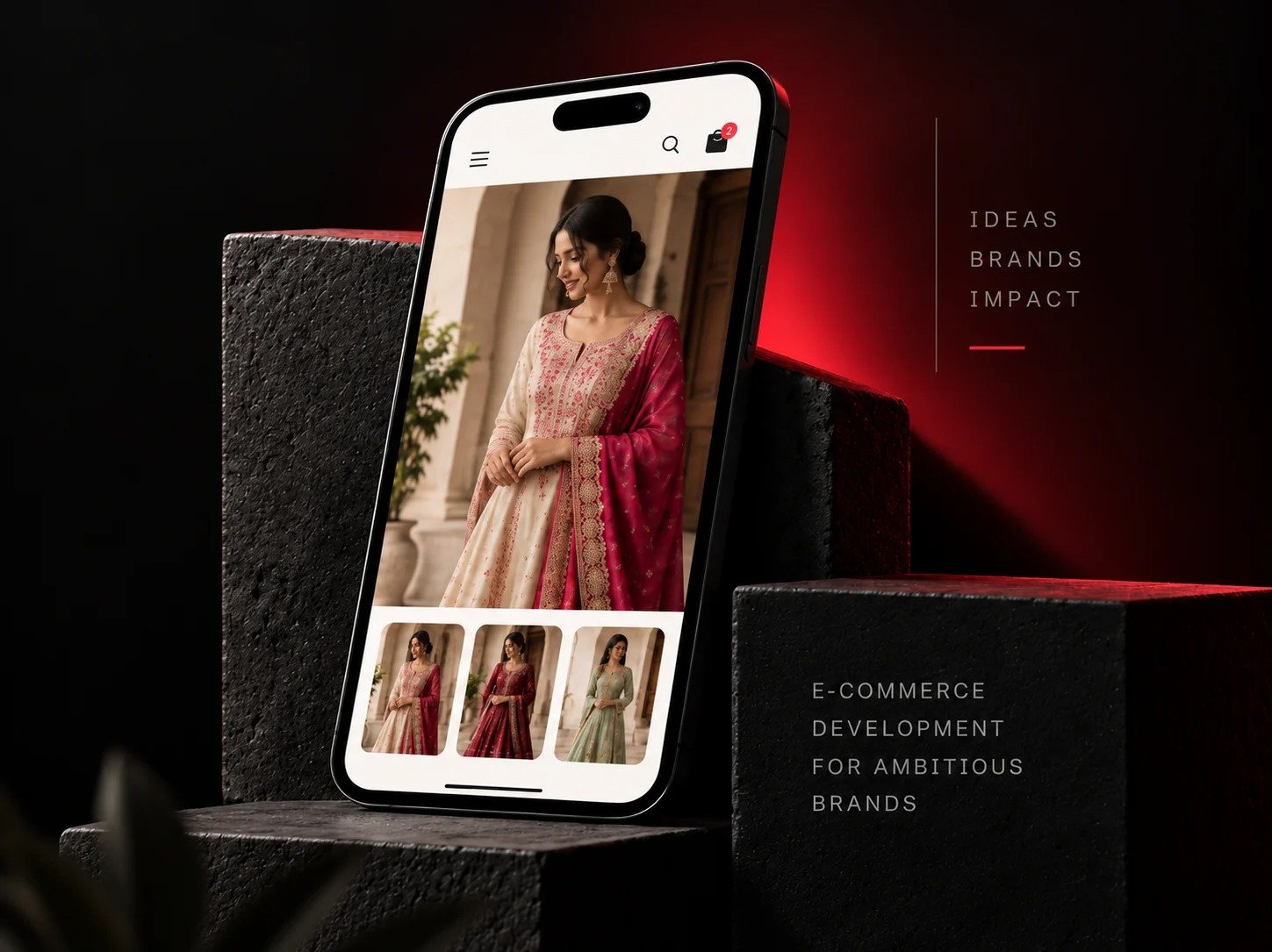
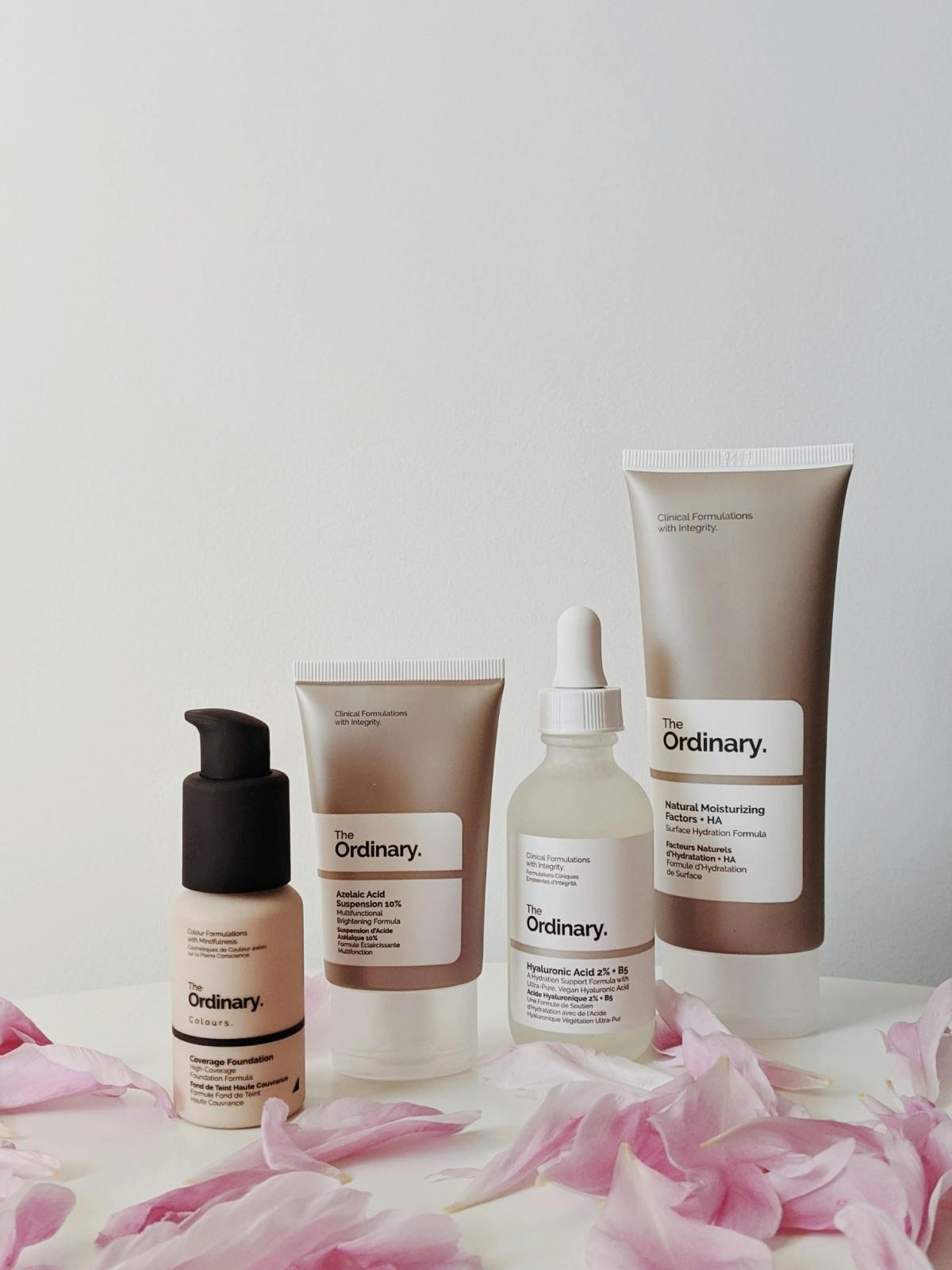
The Bright Preneur is a Shopify development agency for D2C brands, based in Ghaziabad and working with brands across India and the International. Since 2022 we have built 150+ Shopify stores for jewellery, fashion, skincare, home decor and nutrition brands. Every store we build comes with cart recovery, Meta Pixel and Conversion API tracking, and post-purchase flows, so it converts first-time visitors and brings buyers back.
Why It Matters
A D2C brand should have a Shopify website designed for it since the Instagram Direct messages and WhatsApp order functionalities don’t work above fifty orders per day. The dedicated site provides automated cart recovery to reclaim 15-25% of the abandoned shopping carts. In addition, Meta Pixel and Conversion API tracking together with post-purchase flows ensure that there is no need for follow-up growth manually anymore.

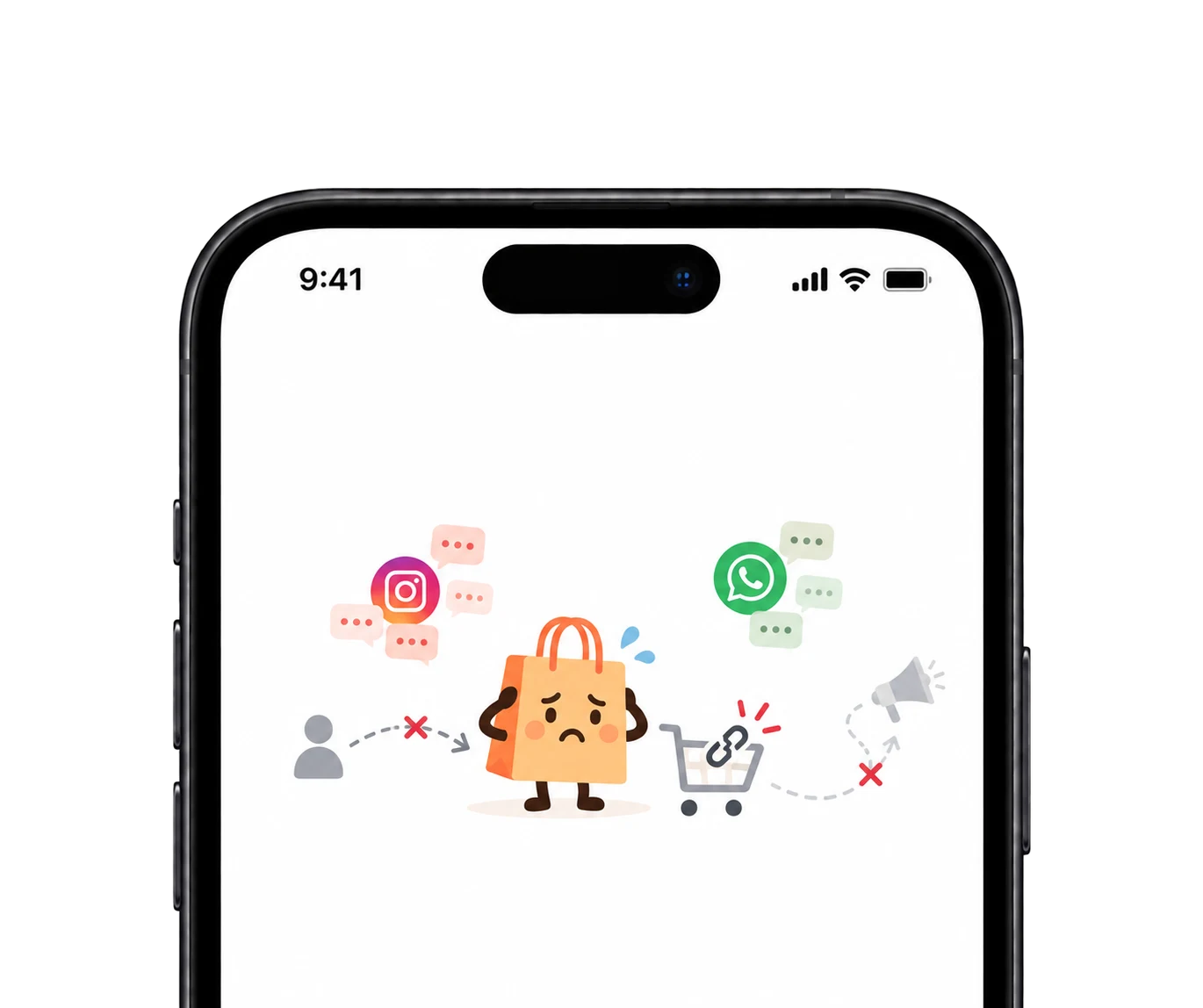
Most D2C brands start selling through Instagram DMs or WhatsApp catalogues. That works at 10–20 orders a day, but it breaks at 50. There is no automated cart recovery, no way to retarget a visitor who browsed but didn't buy, and no data trail connecting ad spend to actual purchases.
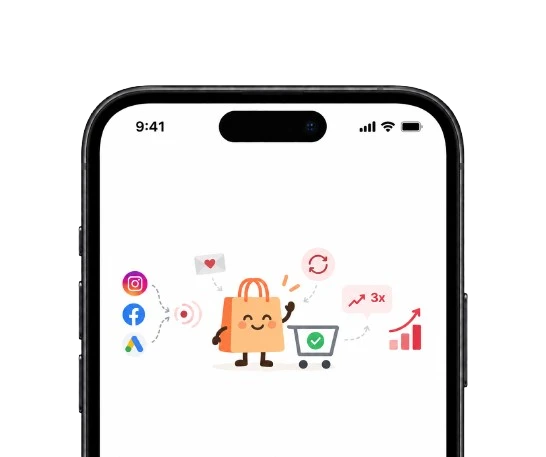
A purpose-built Shopify store replaces that manual loop with infrastructure: automated abandoned-cart sequences recover 15–25% of lost checkouts, and Meta Pixel and Conversion API tracking feed accurate purchase data back to ad platforms so ROAS improves with every campaign cycle.
Post-purchase email flows, review requests, replenishment reminders, win-back offers turn a one-time buyer into a customer worth three to five times their first order value over 12 months.
Looks fine. Takes orders. No recovery, weak tracking, zero retention. Just a website.
Cart recovery, Pixel + CAPI, post-purchase flows — live on day one. A revenue system.
What We Do
Every D2C Shopify store we build ships with eight systems: mobile-first design, Online Store 2.0 theme setup, cart recovery emails, Meta Pixel and Conversion API tracking, upsell and cross-sell logic, post-purchase flows, speed optimisation for Core Web Vitals, and a technical SEO foundation. A standard build goes live in 1 to 2 weeks after the design is approved.
D2C brands in India sell primarily on mobile, 80% or more of traffic arrives from Instagram Stories, WhatsApp links and Meta ads tapped on a phone. We design every store mobile first: thumb friendly navigation, single column product layouts that load in under 3 seconds on a 4G connection, and sticky add to cart bars that stay visible while the customer scrolls through product details. Desktop adapts from mobile, not the other way around.
We build on the Online Store 2.0 framework using Liquid, Shopify's templating language, with JSON templates, section based editing, metafields and metaobjects. This architecture means your team can update homepage banners, add new collections and rearrange product sections without touching code or calling a developer. We start from Dawn (Shopify's reference theme) or build a fully custom theme depending on the brand's visual complexity. Sections Everywhere ensures every page, not just the homepage, is drag and drop editable.
A 3 step abandoned cart email sequence fires automatically: the first email within 1 hour of abandonment, the second at 24 hours, the third at 72 hours with an optional incentive. Across our D2C builds, this sequence recovers 15 to 25% of abandoned checkouts. We integrate Klaviyo or Shopify Email depending on the brand's scale and connect the flows to the store's discount logic, inventory status and customer tags so every email stays accurate and relevant.
We install Meta Pixel for browser side event tracking and layer Shopify's native Conversion API (CAPI) integration on top for server side purchase event data. This dual setup means ad platforms receive accurate, deduplicated conversion signals even when browsers block third party cookies or iOS privacy prompts suppress pixel fires. The result: your Meta and Google campaigns optimise toward actual buyers, not just link clicks, and ROAS improves measurably within the first two to three campaign cycles.
Upsell and cross sell systems are built directly into the theme, not added through heavy apps that slow the store down. A jewellery brand gets matching earrings suggested on every necklace page. A skincare brand gets the toner and moisturiser recommended next to the cleanser. We also build buy 2 save 10% and buy 3 save 15% tiered pricing and a post add to cart upsell popup. These systems generally increase average order value by 12 to 20% within the first month of the store going live.
The sale is not over at checkout. We set up automated flows: order confirmation with tracking, a review request email timed to delivery, a replenishment reminder for consumable products (supplements, skincare, food), and a win back sequence for customers who have not reordered within 60 to 90 days. These flows run on Klaviyo or Shopify Flow and generate repeat revenue without additional ad spend.
We target under 3 second page loads on 4G mobile by optimising three Core Web Vitals: LCP (largest contentful paint, hero image and above fold content), CLS (cumulative layout shift, stable layout, no content jumping), and INP (interaction to next paint, fast response to taps and clicks). Techniques include next gen image formats (WebP and AVIF), lazy loading below fold images, removing unused CSS and JS, deferring non critical scripts and leveraging Shopify's global CDN. Slow stores lose D2C customers to Instagram scroll, speed is not optional.
Every store ships with technical SEO built in: product schema (JSON LD), FAQ schema where applicable, breadcrumb schema, clean canonical URLs, optimised meta titles and descriptions per product and collection, XML sitemap, robots.txt configuration, internal linking between related products and collections, and image alt text. This foundation lets the store earn organic traffic from day one instead of depending entirely on paid ads.

Verticals We Serve
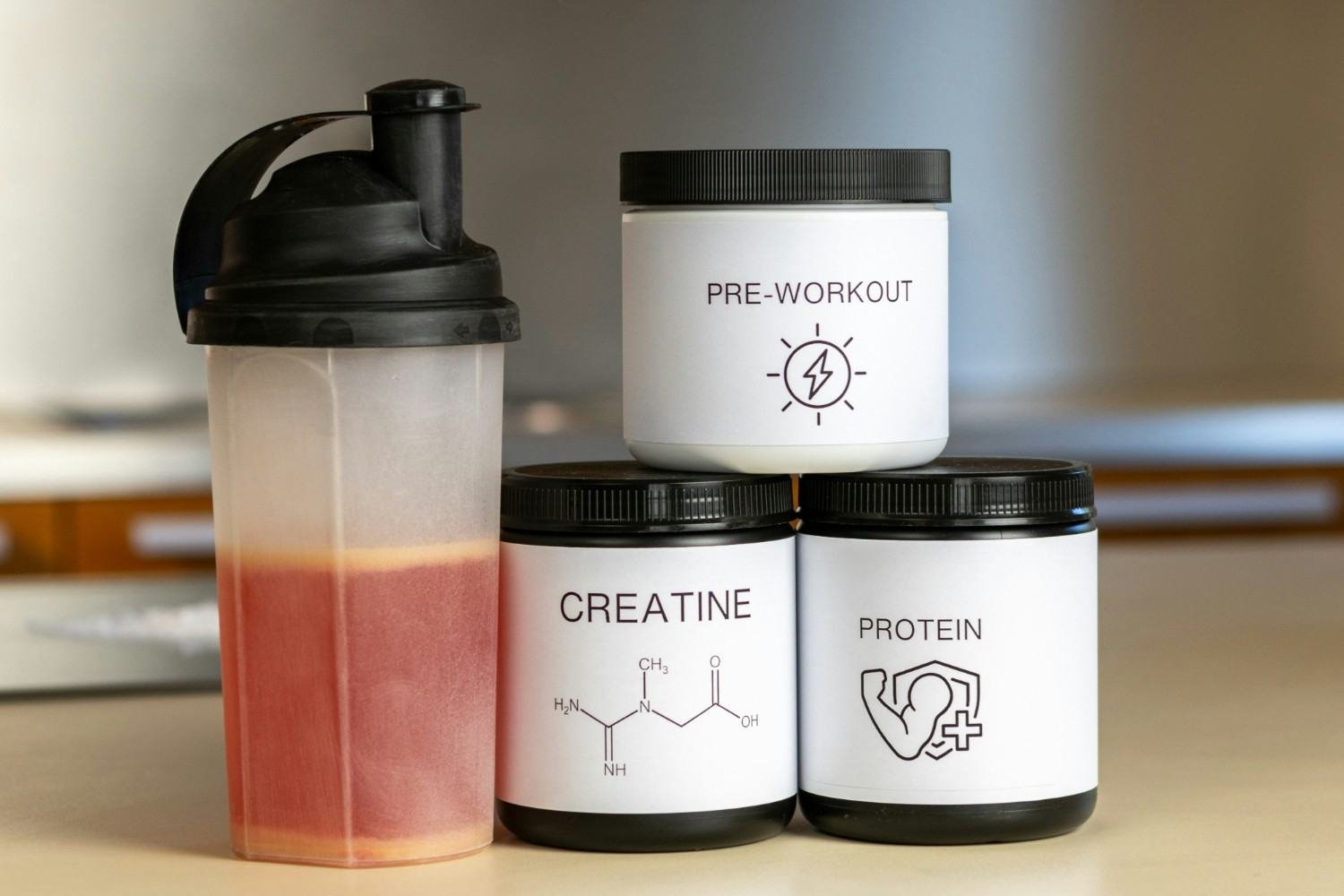
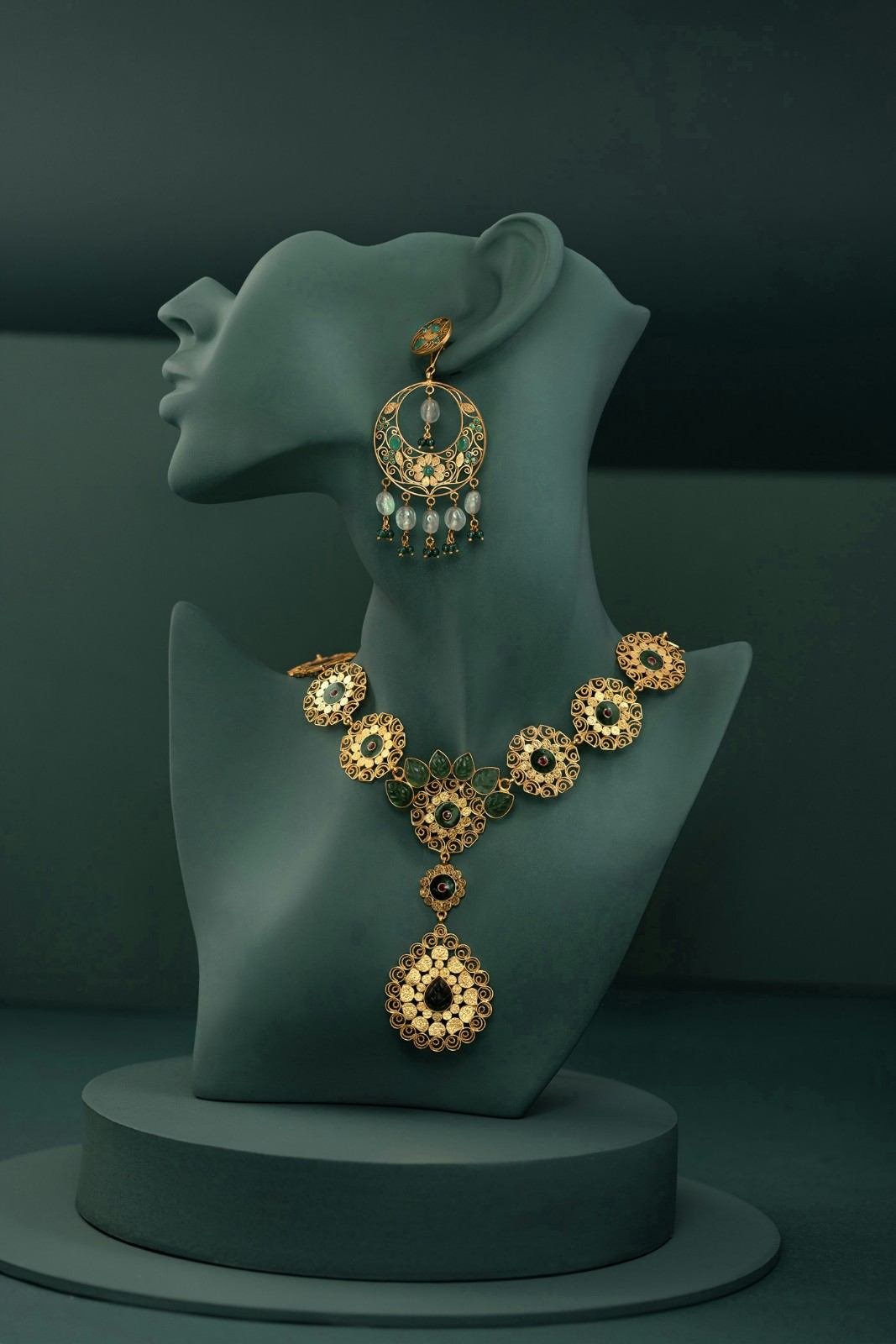
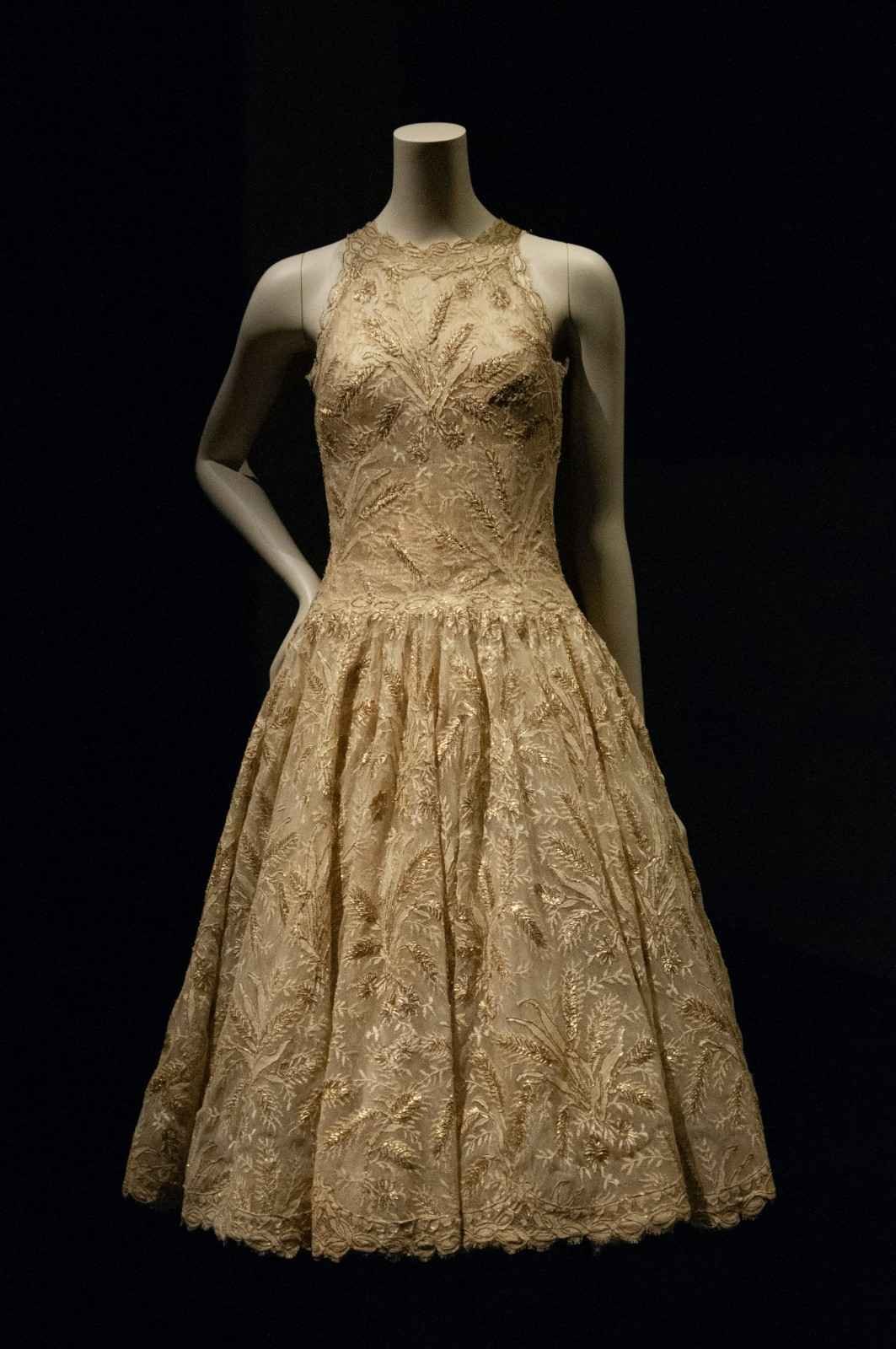
The seven D2C verticals we specialize in are jewellery, fashion, skincare, home décor, health & nutrition, food & beverages, and handicrafts, each of which requires a different set up of product pages. Some examples include getting BIS hallmarks for jewellery products, getting different sizes for fashion, and 30/60/90 days auto-reordering of skincare products.

Variant selectors for metal, stone, size. Zoom and video. Trust badges (BIS hallmark, certified). High AOV checkout.

Size guides, lookbooks, quick view, "complete the look" cross sells.
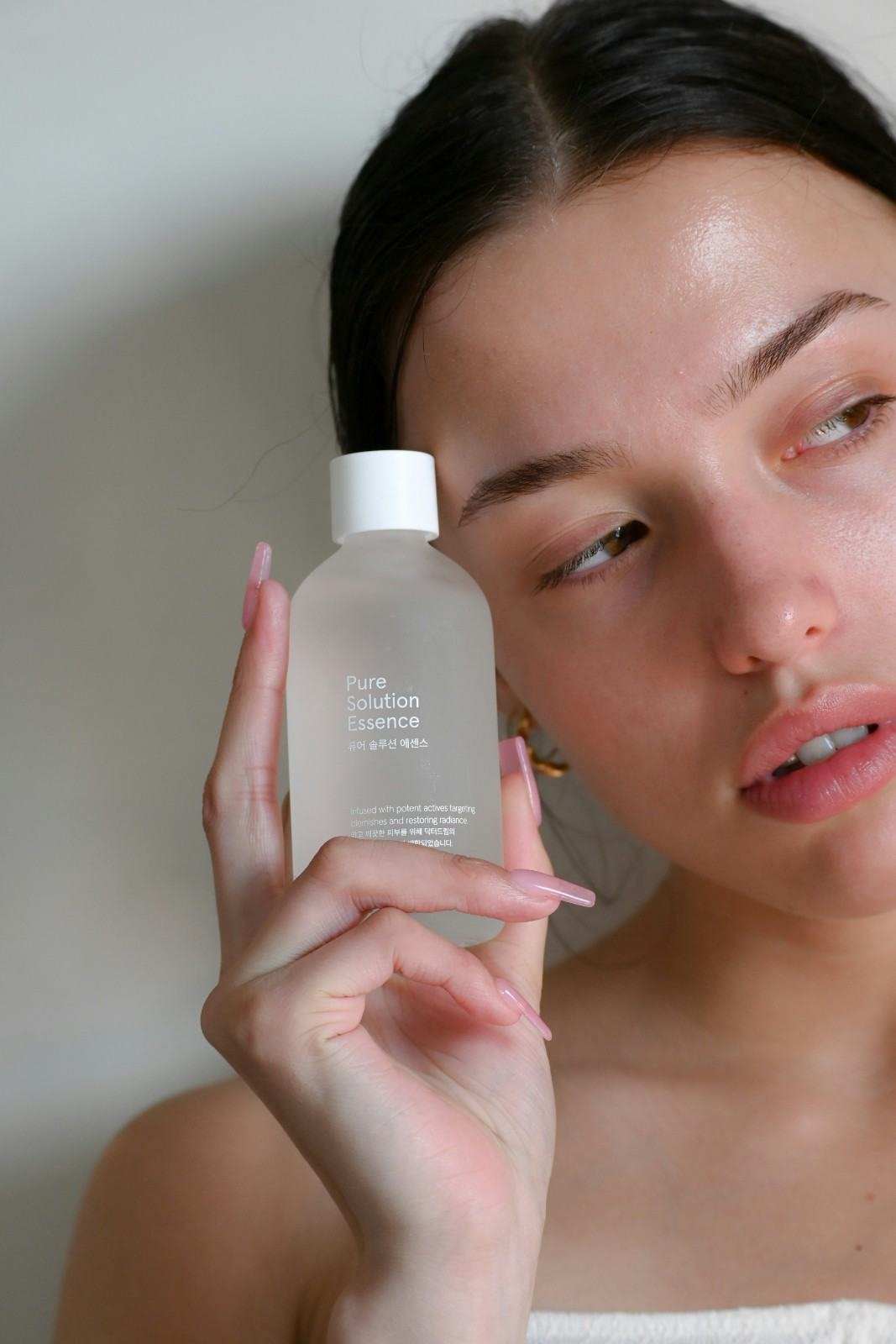
Ingredient transparency, routine builders, subscription and replenishment (auto reorder every 30/60/90 days).

Room scene imagery, swatch selectors for fabric and colour, bulk and trade pricing.
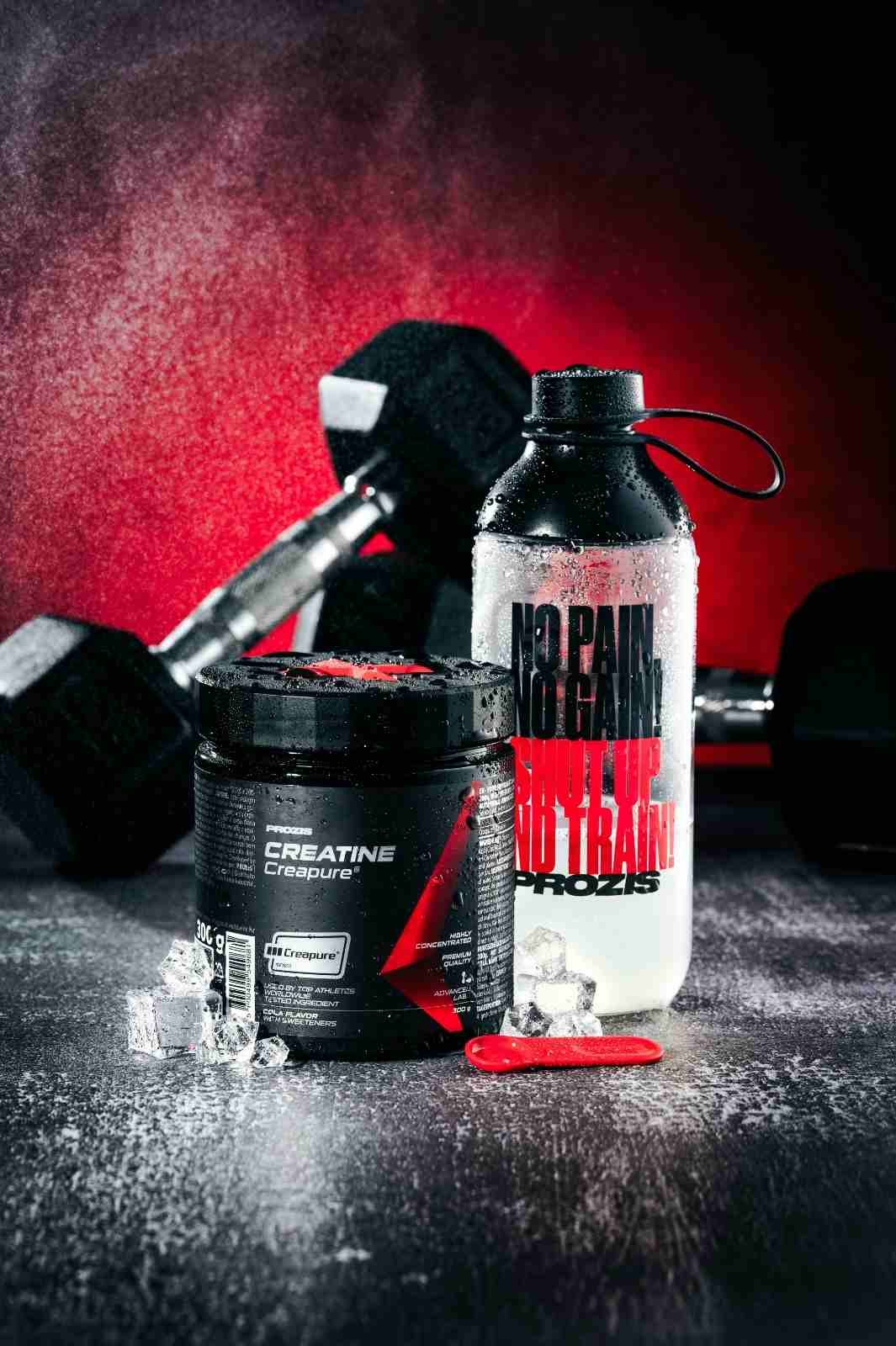
Supplement facts display, subscription, flavour and size variants, trust heavy PDP.
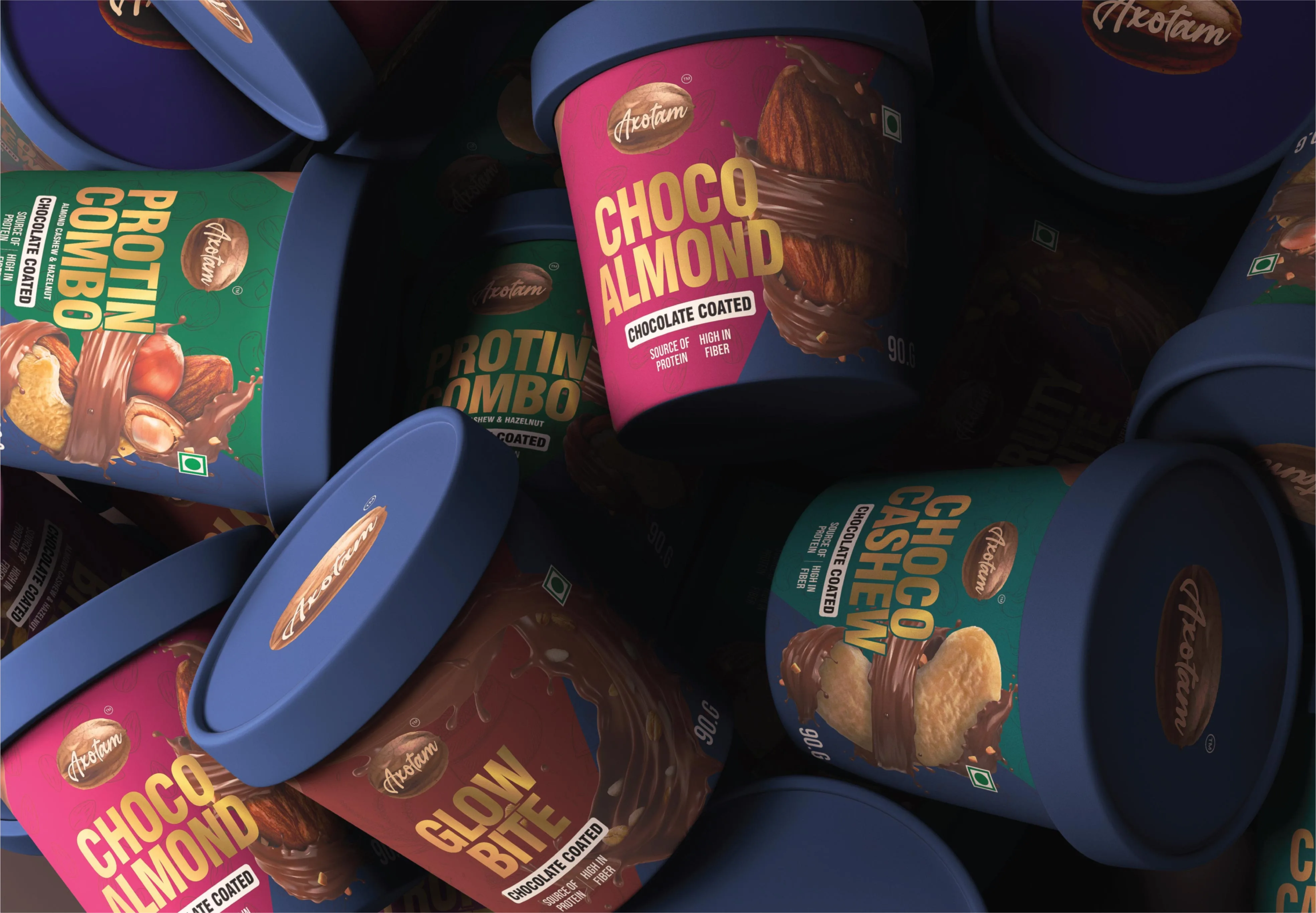
Freshness and expiry handling, regional shipping rules, minimum order and combo bundles.
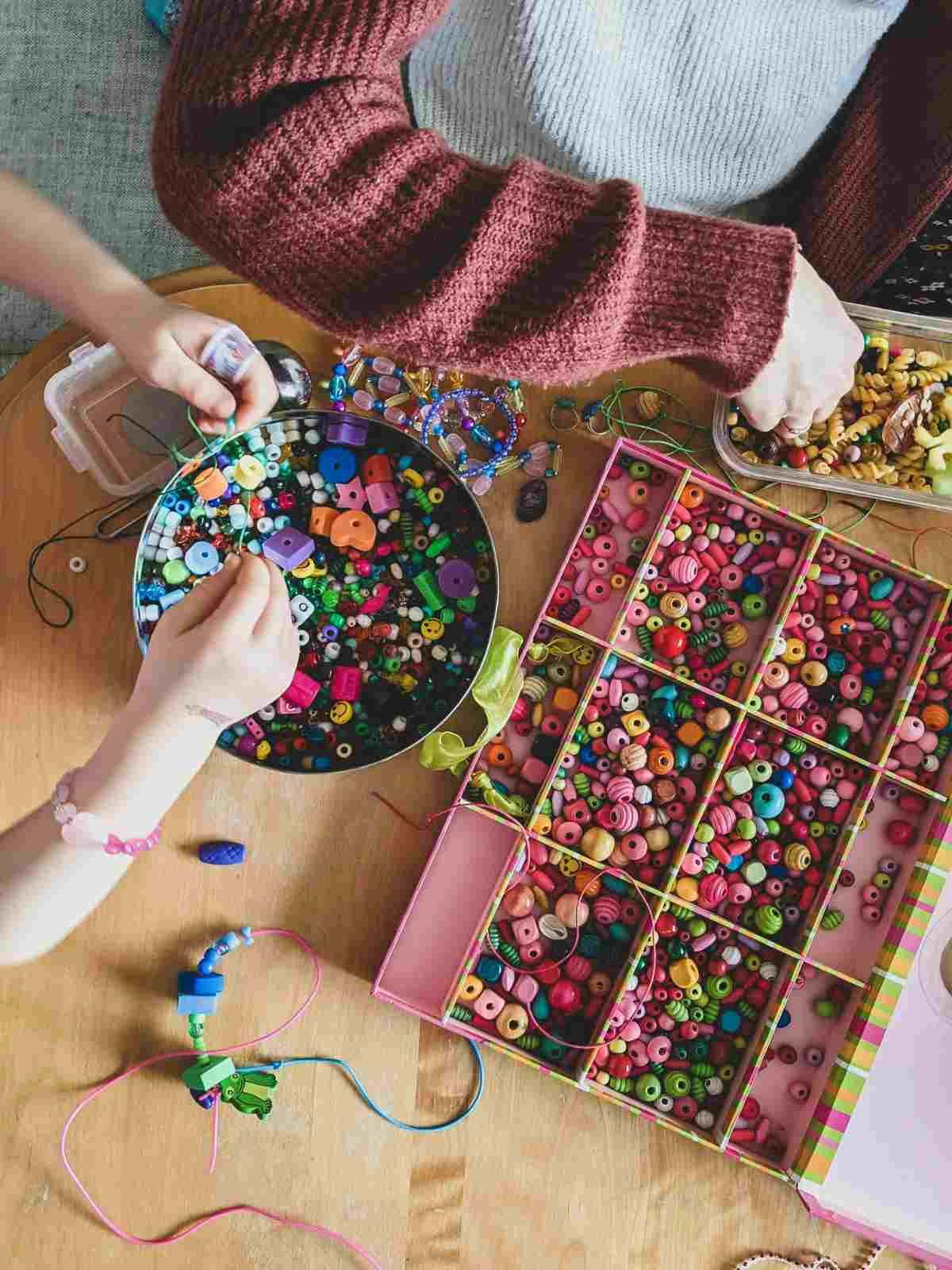
Story driven PDPs (made by artisan profiles), limited edition stock counters.
Variant selectors for metal, stone, size. Zoom and video. Trust badges (BIS hallmark, certified). High AOV checkout.
Size guides, lookbooks, quick view, "complete the look" cross sells.
Ingredient transparency, routine builders, subscription and replenishment (auto reorder every 30/60/90 days).
Room scene imagery, swatch selectors for fabric and colour, bulk and trade pricing.
Supplement facts display, subscription, flavour and size variants, trust heavy PDP.
Freshness and expiry handling, regional shipping rules, minimum order and combo bundles.
Story driven PDPs (made by artisan profiles), limited edition stock counters.
How We Work
Shopify Development Process is made up of 5 steps – Discovery phase that takes 2-3 days, Mobile first UI/UX designing on Figma, Liquid development of 1-2 weeks for a standard build, cross-browser and check out testing, and launch that includes free 1-year support period. We do not move ahead to coding until you approve the design.
We map your product catalogue, identify your primary and secondary customer personas, review your current sales channels (DMs, marketplace, existing site) and define the store's three to five most important conversion actions. This stage typically takes 2 to 3 days and ends with a documented scope.
We design mobile first in Figma, homepage, product detail page, collection page, cart and checkout, matched to your brand identity. You review and approve mockups before any code is written. Revisions happen here, not during development.
We build the approved design on Shopify using Liquid and Online Store 2.0. Payment gateway, shipping, email and review apps are all connected and tested during this stage. A standard build takes 1 to 2 weeks. Stores with more custom features like subscription, loyalty or advanced bundling take a little longer.
We test across Chrome, Safari, Firefox and Edge, on iOS and Android, at multiple screen widths. Full checkout flow tested with real payment gateway sandbox. Speed benchmarked against Core Web Vitals targets. Bug fixes completed before handoff.
We go live and set up Google Analytics 4, Search Console and Meta Pixel. We also record a store admin walkthrough video so your team knows how to manage products, collections and orders without calling us for every small update. From here, 1 year of free support begins. Bug fixes, minor updates and day to day questions are all included at no extra cost. Most agencies stop responding after launch. We stay for a full year.
The Decision
Shopify provides what neither Amazon nor Flipkart does for the D2C brand. You have ownership of the customer data, pay zero fees per transaction beyond a 2% to 3% payment gateway fee vs 15% to 30% marketplace commission fee, and working retargeting and automated repeat-purchase flows.
This does not mean you should abandon marketplaces entirely. Many of our D2C clients run both, the marketplace for volume and discoverability, the Shopify store as the owned, higher margin, retention focused channel.
Case Study
Drag the slider. Read the thread. Open the admin. Every claim here has a screenshot behind it.
Beyond the Build
Already have a store? We run speed and conversion audits, migrate WooCommerce, Magento and WordPress stores to Shopify with SEO redirects in place, scale brands to Shopify Plus, and offer priority support once your free first year ends.
FAQ
Everything you need to know before we start. If your question isn't here, just WhatsApp us.
D2C — direct-to-consumer — means selling directly to the end customer through your own online store, without Amazon or Flipkart in between. You own the customer relationship, the data and the margins. A marketplace handles distribution but takes 15–30% commission and gives you no access to your buyer's email or browsing behaviour.
TBP works on fixed project quotes - no hourly billing. A basic, order-ready D2C Shopify store starts from ₹30,000. Growth-ready stores with a custom theme and app integrations cost ₹50,000 to ₹75,000. Enterprise Shopify Plus builds with multi-system integrations start from ₹1,00,000. Final quote is shared after discovery - scope decides the number, not guesswork.
Shopify works well for Indian D2C brands because it supports Razorpay, Cashfree and Stripe out of the box along with UPI and COD. Shipping integrations with Shiprocket and Delhivery are built in. Your team can manage products, collections and content without touching code. And when the business grows, Shopify Plus is there without needing to move to a new platform.
A standard D2C Shopify store takes 1 to 2 weeks from the time design is approved to the day it goes live. This includes development, app setup, testing and launch. Stores with advanced features like subscriptions, custom loyalty programs or large product catalogues take a bit more time. We give you a clear timeline after the discovery call.
Yes — we migrate products, customers, order history, discount codes and blog content with zero data loss. SEO redirect mapping preserves your existing rankings.
Yes, but only if three things are in place. Your store needs proper structured data (FAQPage, Product, and Organization schema) so AI engines can parse and cite it. Your content must give direct, confident answers, AI Overviews skip pages that hedge. And your brand entity must be consistent across Google Business Profile, Clutch, and review platforms, since AI systems cross-verify mentions before citing a source. TBP handles all three — schema implementation, content restructuring, and entity cleanup, so your store gets cited, not skipped.
Most Shopify agencies offer 30 days of post-launch support but We offer a 1 year of free technical support — bug fixes, minor updates and operational questions at no additional cost. For priority response and monthly feature development beyond that year.
Yes — we run ecommerce audits covering speed, checkout flow, mobile UX and tracking accuracy, then deliver a prioritised fix roadmap.

Written & maintained by
D2C Shopify Growth Expert, The Bright Preneur
Anas is the founder of The Bright Preneur. Since 2022 he has worked on Shopify stores for D2C brands across jewellery, fashion, skincare and home decor, and every recommendation on this page comes from that hands-on work.
Let's Talk
Open to building Shopify stores for D2C brands ready to own their customer relationship.
Let's turn your product into a store that sells while you sleep.
Sign up today and get a free Shopify store audit worth ₹15,000.